
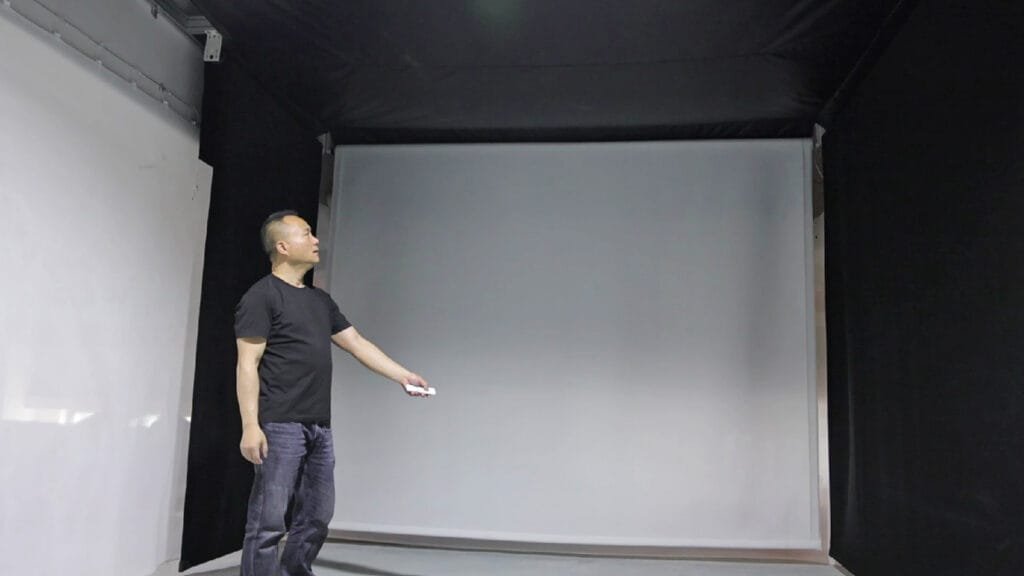
For dealers, professional installers, and golf simulator brands, retractable golf screens have become a practical way to expand a simulator product line and serve projects where a fixed bay is not realistic.
Sourcing a retractable system is different from buying a standard impact screen. B2B buyers need to evaluate the full system: screen fabric, motorized roller, side protection, blackout control, accessories, packaging, installation support, and long-term supply consistency.
This guide gives dealers, installers, and brands a practical framework for comparing retractable golf simulator screen systems and building a ready-to-sell kit for customers.
Fixed or Retractable: Choosing the Right Product Direction
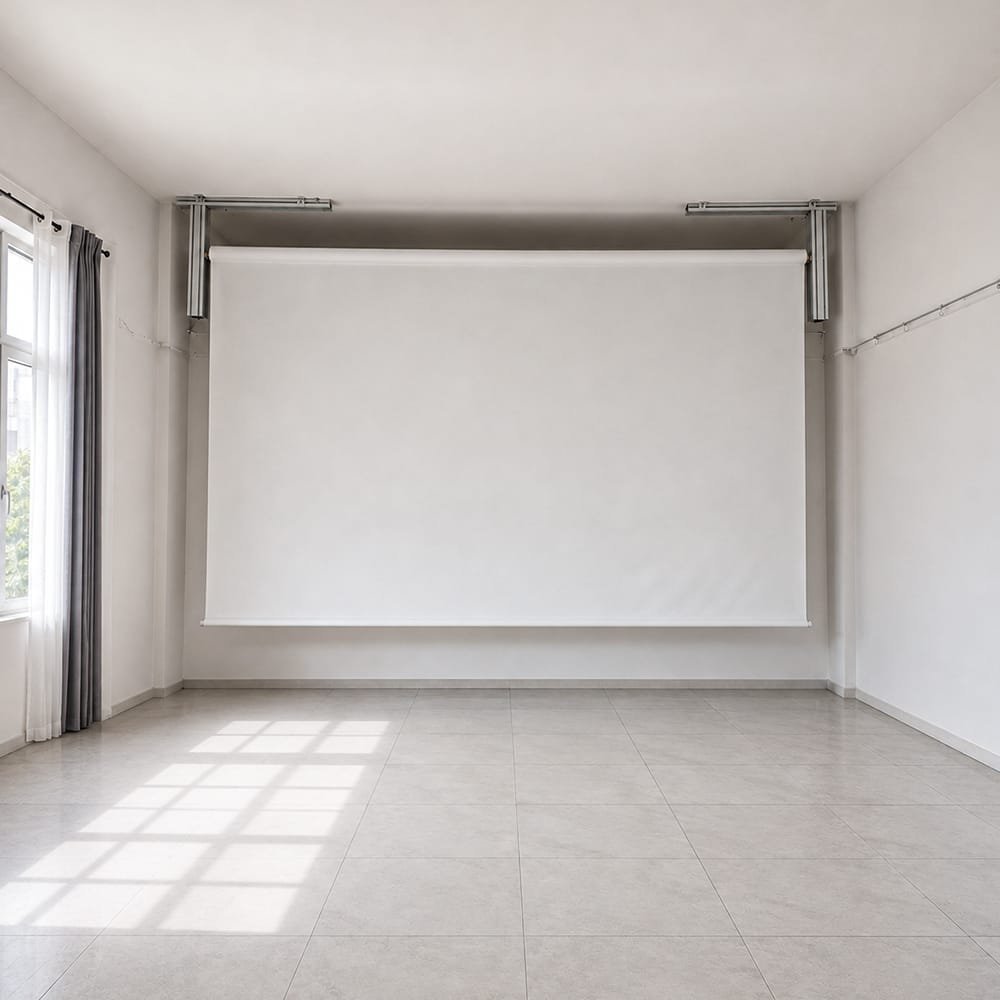
Before comparing motors, rollers, and screen fabrics, the first decision is whether the project needs a fixed enclosure or a motorized retractable system.
Fixed enclosures remain a strong option for dedicated commercial facilities. Retractable systems solve a different problem: they allow garages, event rooms, training spaces, and high-end residential rooms to return to normal use when the simulator is not in use. It also gives brands a higher-value product direction beyond standard replacement impact screens.
(Link: Fixed vs. Retractable Golf Screens – Which is Better for Your Project?)
Single Screen or Three-Sided Retractable System
After choosing a retractable direction, the next question is system scope. Most B2B projects fall into two configurations.
- Single retractable screens: Best for rooms that already have side protection or fixed walls.
- Three-sided retractable systems: Better for open garages, multi-use rooms, and setups that need retractable side curtains for safer ball containment.
(Link: Single vs. Three-Sided Retractable Golf Simulator Screen)
Protection Is Part of the System
A common sourcing mistake is focusing only on the impact screen while treating protection as add-ons. In a retractable setup, these parts need to be planned as one system.
- Side panels: Help protect side areas and reduce ambient light.
- Top blackout and ceiling protection: Help cover the upper projection area and protect against high wedge shots.
- Baffles or valances: Hide motorized rollers and help protect them from direct ball strikes.
Component Supplier or Integrated System Supplier?
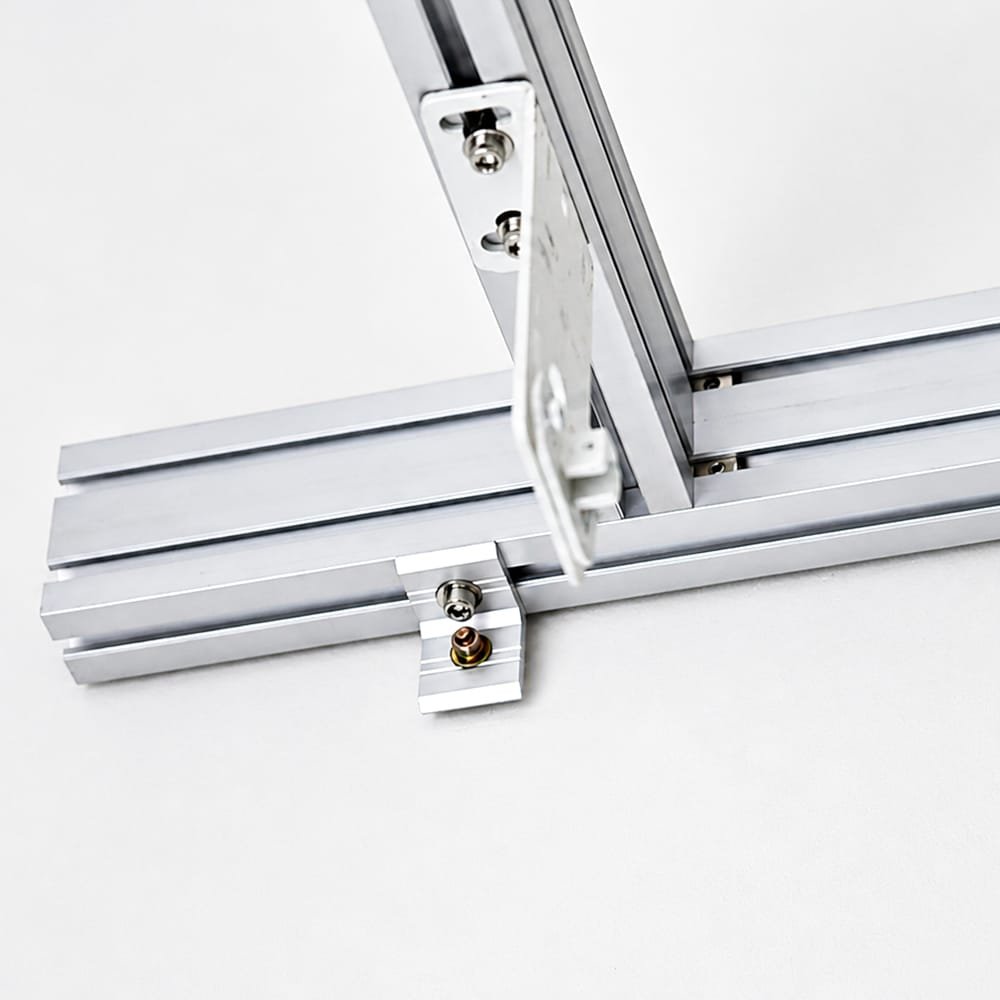
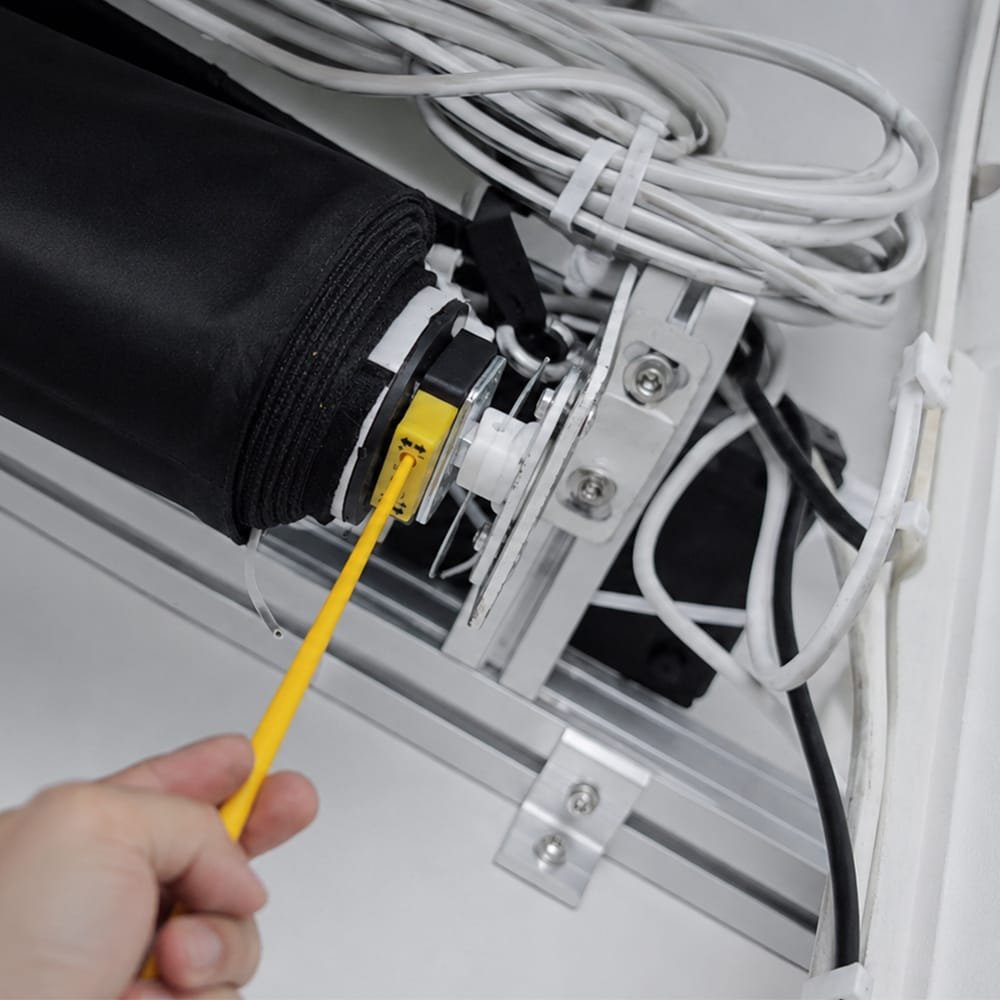
This is the most critical distinction for B2B buyers. When evaluating manufacturers, it is easy to fall into the trap of pricing out individual components—the tubular motor, the raw 3D mesh fabric, the brackets.
However, piecing together components may destroy your installation consistency and drastically increases your after-sales liability. If a motor fails or the fabric doesn’t roll evenly on the tube, you need a single point of accountability. You need an integrated system supplier, not just a parts vendor. A true manufacturing partner will provide a complete, ready-to-install system.
(Link: METechs vs ImpactScreenGolf – Retractable Screen Comparison)
B2B Buyers Should Confirm
To build a profitable and scalable retractable golf screen product line, dealers and brands should use the following checklist when vetting a manufacturing partner:
OEM/ODM Capabilities: Can the factory customize the system under your brand name?
Custom Sizing: Are they limited to standard dimensions, or can they manufacture down to the inch for specific bulk projects?
Voltage Compatibility: Are the motors certified and adapted for your target market (e.g., 110V for US, 220V for Europe/Asia)?
Complete Accessories: Does the shipment include everything needed (remotes, brackets, hardware), or will your installers have to run to the hardware store?
Installation Documentation: Are there clear manuals or video guides to ensure installation consistency across your team?
MOQ & Lead Time: What is the Minimum Order Quantity for custom sizes, and can they reliably meet tight deadlines for commercial bids?
Packaging & Logistics: Are the heavy rollers packed in reinforced tubes or wooden crates to prevent transit damage?
Long-Term Supply: Is this a trading company, or a source factory that can guarantee consistent material quality (like specialized warp-knitted 3D mesh) over the years?
Next Step: Building a Sellable Retractable Golf Screen Product Line
Adding a retractable golf simulator system to your catalog should not create extra complexity for your installation and support teams. The goal is to source a complete system that is practical to sell, repeatable to install, and stable enough for long-term B2B supply.
ImpactScreenGolf can support dealers, installers, and brands with retractable impact screen systems, three-sided enclosure configurations, blackout and protection options, and OEM/ODM sourcing support.
Ready to explore a retractable screen system for your product line? Contact ImpactScreenGolf to discuss sizing, configuration, MOQ, lead time, and dealer-ready packaging.
FAQ
What is a retractable golf simulator screen system?
A retractable golf simulator screen system combines the impact screen, motorized roller, mounting hardware, and usually blackout or protection components into a retractable simulator bay solution. It is designed for rooms that need to switch between golf use and normal use.
When should dealers offer a three-sided retractable system?
Dealers should offer a three-sided retractable system when the customer needs side protection, a cleaner enclosure, stronger light control, or a premium ready-to-install package. It is especially useful for commercial studios, high-end residential rooms, and projects where installation consistency matters.
Can retractable golf simulator screens be customized?
Yes. Common custom options include screen size, side panels, motor voltage, packaging, and OEM branding.
Why choose an integrated system supplier instead of buying components separately?
An integrated supplier can match the screen, motor, roller, brackets, packaging, and accessories as one system, reducing installation problems and after-sales risk.
